Kit price
$399Pre-order, before tax and shipping · observed 2026-10-21
A finished robot with software, battery, controller and a game controller in the box.
 Contact & Suggest
ANHOT Open Hardware Lab · Independent research
An open-source biped you can retrain. We are documenting the real BOM, testing cheaper actuators, and publishing what actually works — including the parts that do not.
Independent project. Not affiliated with or endorsed by Pollen Robotics. Official product facts link back to pollen-robotics.com.
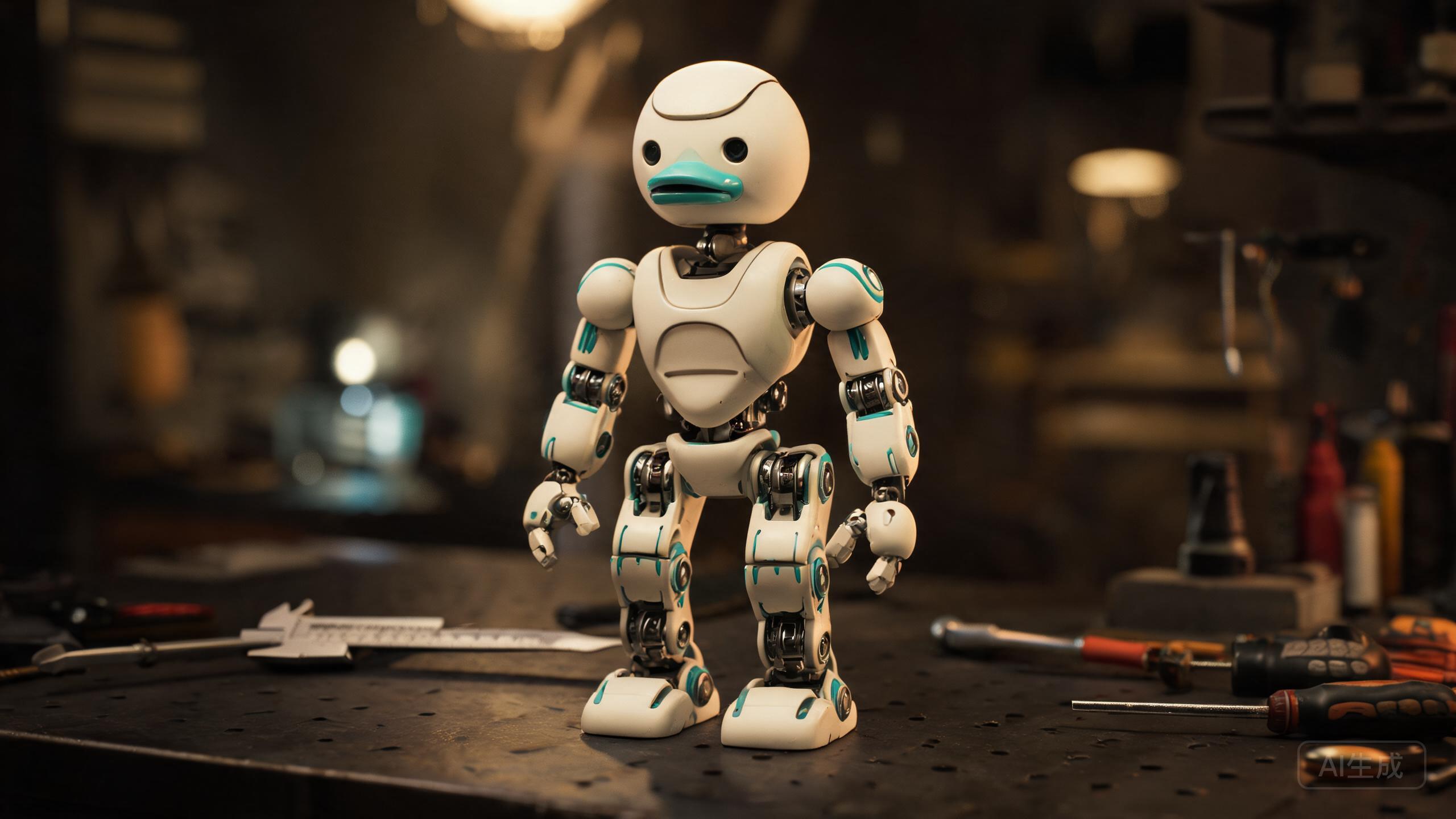 Concept illustration
01 · Why this exists
The official MicroDuck is an open-source biped trained with reinforcement learning. It ships with 15 motors, a camera, LiDAR, two IMUs and seven trained policies. We are not re-selling it. We are answering a different question: what does it actually take to build, modify, and understand one — and where do cheaper parts stop being cheap?
$399Pre-order, before tax and shipping · observed 2026-10-21
A finished robot with software, battery, controller and a game controller in the box.
$412.3515 × $27.49 recorded unit price · excludes tax and shipping
The servos alone already exceed the kit price. Everything else — controller, sensors, battery, structure — is still unpriced in our catalog.
9%1 of 11 reference BOM lines have a recorded price
We show the gap instead of hiding it. A total that silently treats unknowns as zero is fiction.
02 · Status board
Evidence level (how credible the source is) and compatibility status (whether a part has been proven to work) are separate axes. Every claim in this section carries one of each.
0No ANHOT test record exists yet
0No candidate actuator has run on a robot
12Official, repository, vendor, community and news
3Each with supplier, currency and observation date
03 · Component map
Every line is classified by category, role and evidence strength. Reference parts are what the published robot uses. Alternatives are candidates, not drop-ins. Supporting parts exist only because an alternative needs them.
2 record(s)
1 record(s)
3 record(s)
1 record(s)
2 record(s)
3 record(s)
1 record(s)
1 record(s)
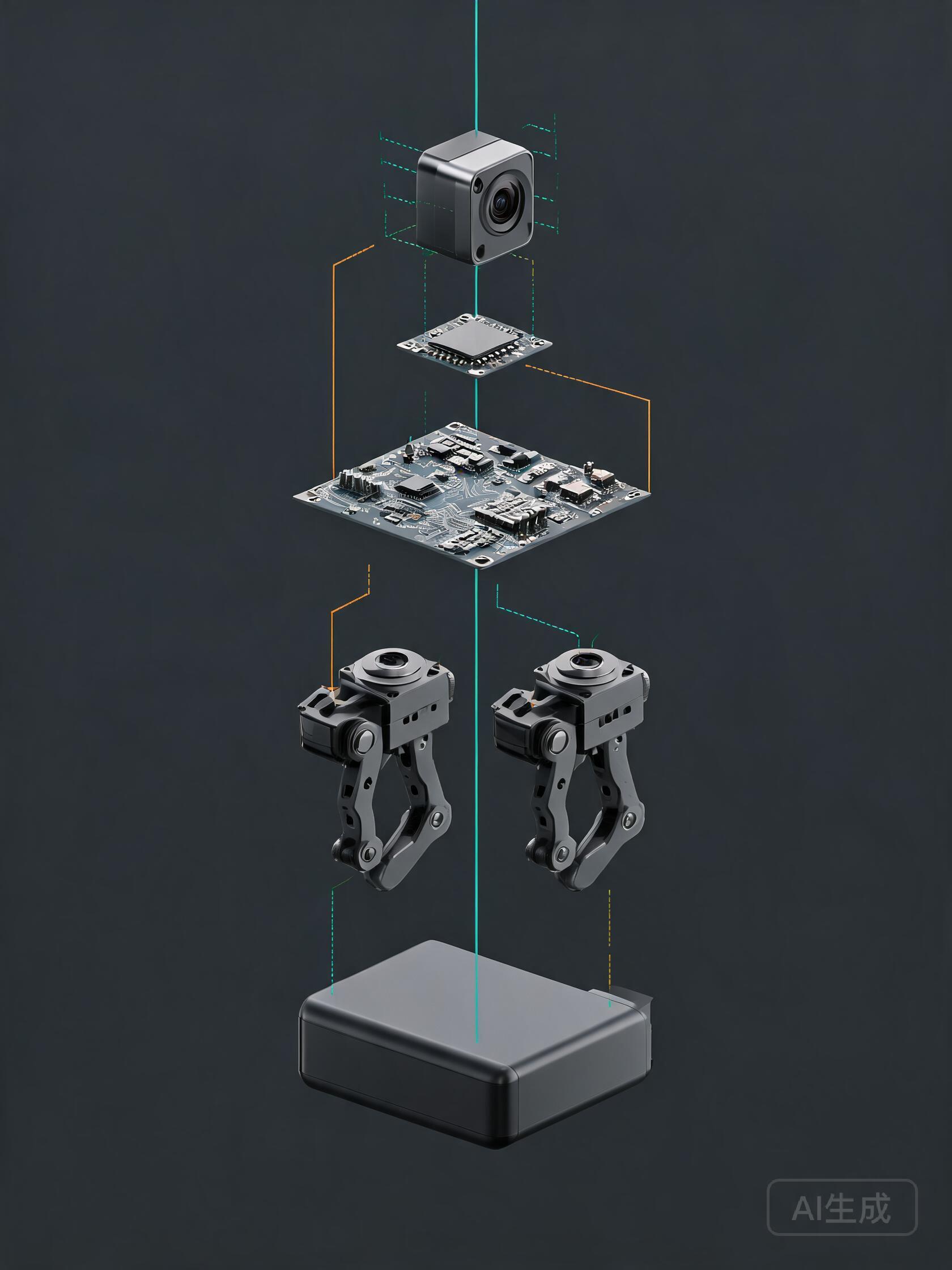
04 · Servo lab preview
Fifteen actuators dominate the parts cost. A cheaper servo can look perfect on paper and still fail on mounting geometry, packet protocol, feedback scaling or closed-loop behaviour.
The reference actuator for the 15 powered joints. Compact serial-bus servo with position, velocity, current and temperature feedback.
Low-cost serial-bus servo marketed for MicroDuck-style joints. Candidate replacement for the reference actuator; not yet bench-tested by ANHOT.
05 · Cost calculator
Switch BOM versions, edit quantities and prices, add adapter and engineering costs, and compare against the reference configuration. Unpriced lines are counted, not zeroed. Savings can be negative.
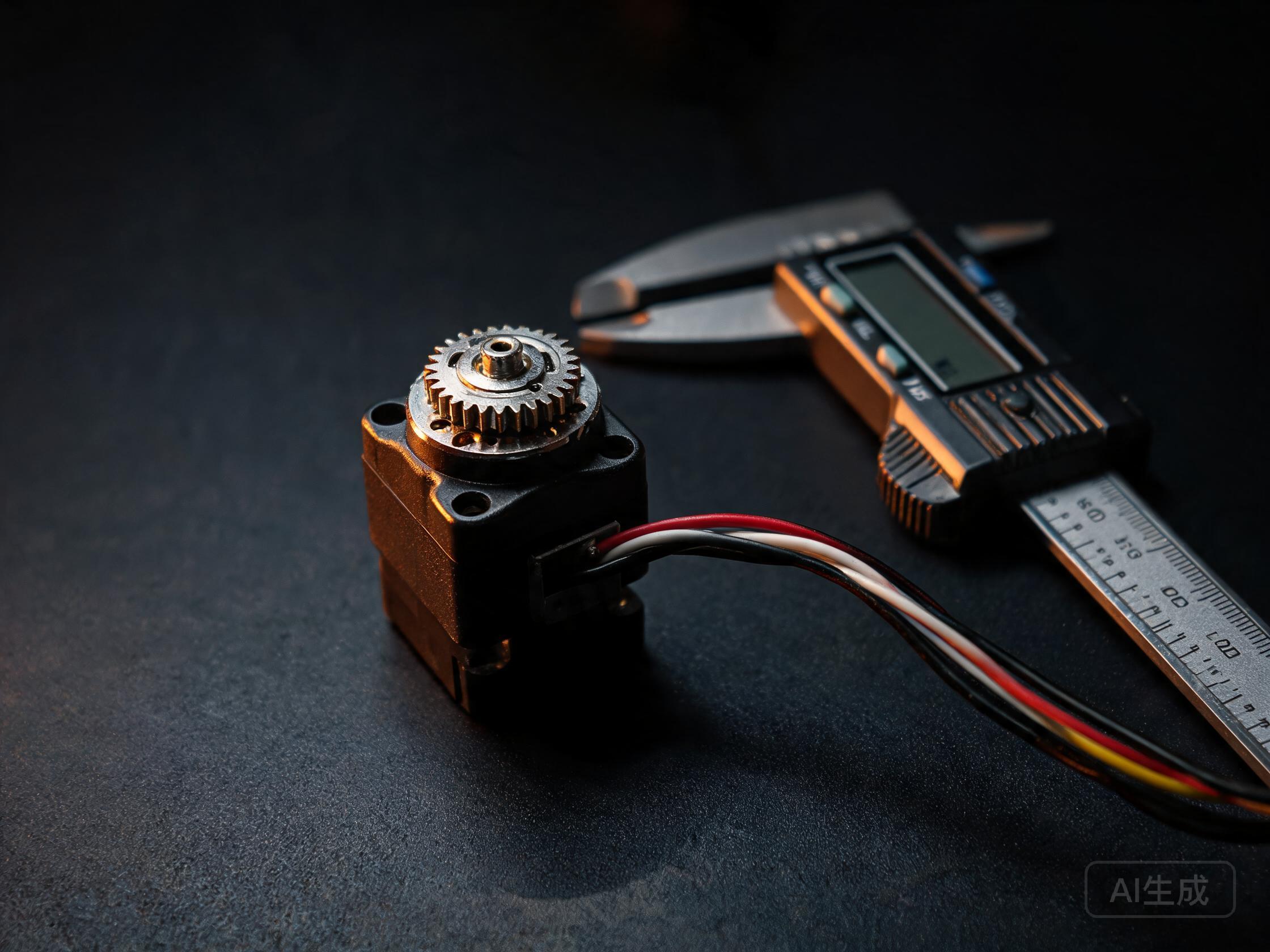
06 · Three routes
Every route trades money for work. None is “free”, and Route C is a research direction, not a recommendation.
Use the reference actuator family.
Replace with a low-cost serial-bus servo.
Generic PWM servo plus a driver board.
07 · Sources
Retrieved 2026-10-21. Prices are observations, not offers. Official facts and community claims are labelled separately throughout.
FX reference: PBOC central parity: 1 USD = 6.7192 CNY (2026-10-21).
We publish test plans, failures and corrections. If you have a measured result, a better source, or a build that disagrees with this catalog, send it over. Evidence beats confidence.
Contact the labIndependence and trademarks. Hack a MicroDuck is an independent engineering and open-hardware research initiative by ANHOT. It is not an official Pollen Robotics product, service, or endorsement. Product names and trademarks belong to their respective owners. Hardware configurations, compatibility findings, and cost estimates may be based on public documentation, community research, and independent testing. Always review the cited sources and verify hardware specifications before building. Software referenced in this section is published under Apache-2.0; that license does not extend to images, trademarks, mechanical designs, or third-party assets. AI concept illustrations are labelled and are not product photographs. Prices are observations, not quotes, and may change without notice.