
The dodo adapted to the forests and wetlands of Mauritius.
A QUIET NOTE FROM ANHOT
Remember
the Dodo.
A small tribute to a remarkable bird that disappeared forever—and a reminder that the natural world can change faster than we expect.
Read its story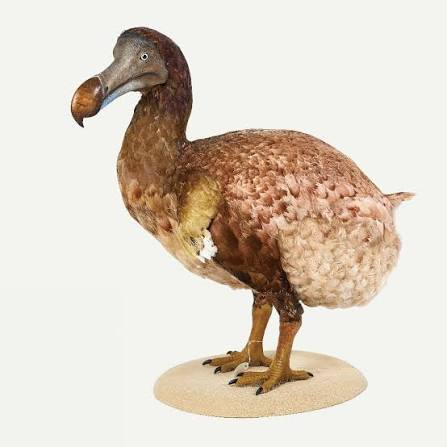
Mauritius · Indian Ocean
01
THE BIRD BEHIND THE NAME
Made for one island.
Gone within a century.
The dodo (Raphus cucullatus) was a large, flightless relative of the pigeon found only on Mauritius. It evolved in isolation, in an ecosystem without the land predators brought by later human settlement.
Hunting played a part in its decline, but the larger change was ecological: forest disturbance and introduced animals—including rats, pigs, cats and dogs—put new pressure on the birds and their eggs. By the end of the seventeenth century, the dodo was gone.
Explore the natural historyNew pressures changed a delicately balanced island ecosystem.
Only accounts, drawings and bones remained to tell its story.
02
WHY ANHOT?
“We chose the dodo because it is simple, distinctive and impossible to forget. Its story gives the name a little more meaning.”
AnHot is a technology toolkit, not a conservation organization. But a brand can still carry a memory. The dodo reminds us how fragile nature can be when people alter an ecosystem too quickly.
For us, respecting nature does not mean never intervening. Conservation may require careful, science-led action. It means reducing avoidable harm, protecting habitats and thinking before change becomes irreversible.
Better technology should coexist with a wilder world.
03
A GENTLE COMMITMENT
Leave enough space
for nature to remain wild.
No grand promises—just a few principles worth carrying into the choices we make around wildlife and the places it depends on.
Protect living habitats
Healthy forests, wetlands and coastlines give birds the space, food and shelter they need to remain wild.
Observe with respect
Enjoy wildlife from a considerate distance. Avoid disturbing nests, feeding wild birds carelessly or taking animals from nature.
Support informed action
Good conservation follows evidence and local knowledge—from habitat restoration to carefully managed species recovery.
LEARN FROM THE PEOPLE DOING THE WORK
Follow conservation
with care and context.
Test your devices.